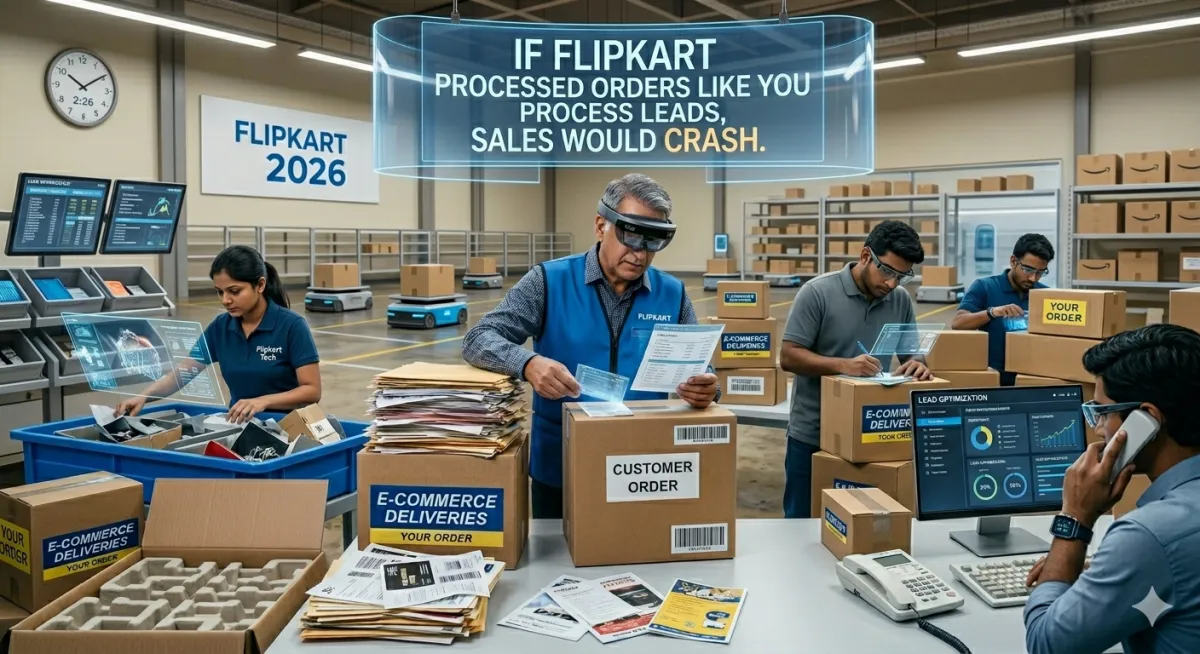
If Flipkart Processed Orders Like You Process Leads, sales would crash.
 by: AutostreamPublished on: 28/04/2026
Imagine this. You open Flipkart, order a product, and… nothing happens. No confirmation. No update. No delivery. Maybe after 5 hours, someone sends a message: “Hey, are you still interested?” Sounds ridiculous, right? That’s exactly how your business is handling leads every single day.
Nike Says “Just Do It”—Real Estate Still Says “Call Back Later." And That’s Exactly Why Auto Stream Exists
by: AutostreamPublished on: 31/03/2026Nike built a global empire on one principle: act instantly. “Just Do It” works because it removes hesitation. Now look at real estate. A lead comes in. And what happens? Nothing. No instant reply. No engagement. No momentum. Just… “we’ll call you later.”

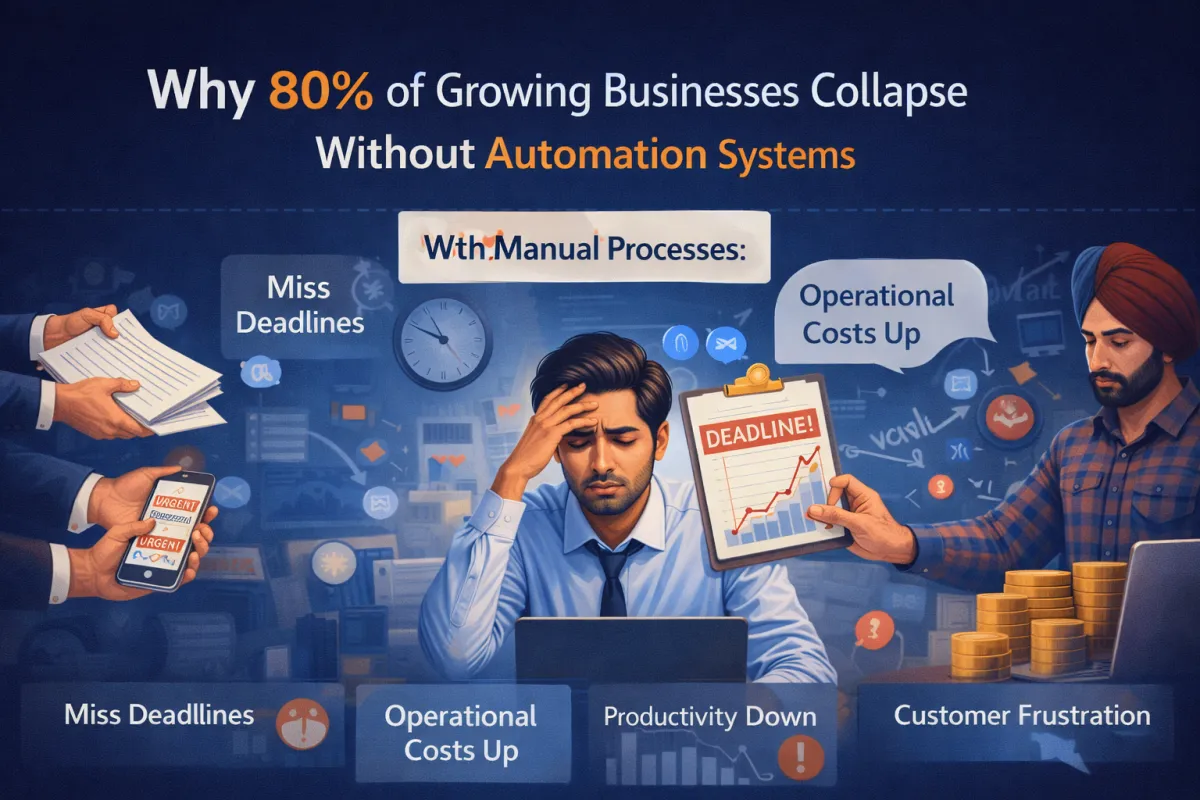
Why 80% of Growing Businesses Collapse Without Automation Systems
by: AutostreamPublished on: 02/03/2026Growth doesn’t kill businesses. Unmanaged growth does. Most companies don’t fail because of bad products or weak demand. They fail because their operations can’t handle scale. What worked at 10 clients breaks at 100. What felt “manageable” becomes chaos. And chaos compounds fast. Here’s the uncomfortable truth: if your business relies heavily on manual processes, it’s already fragile.
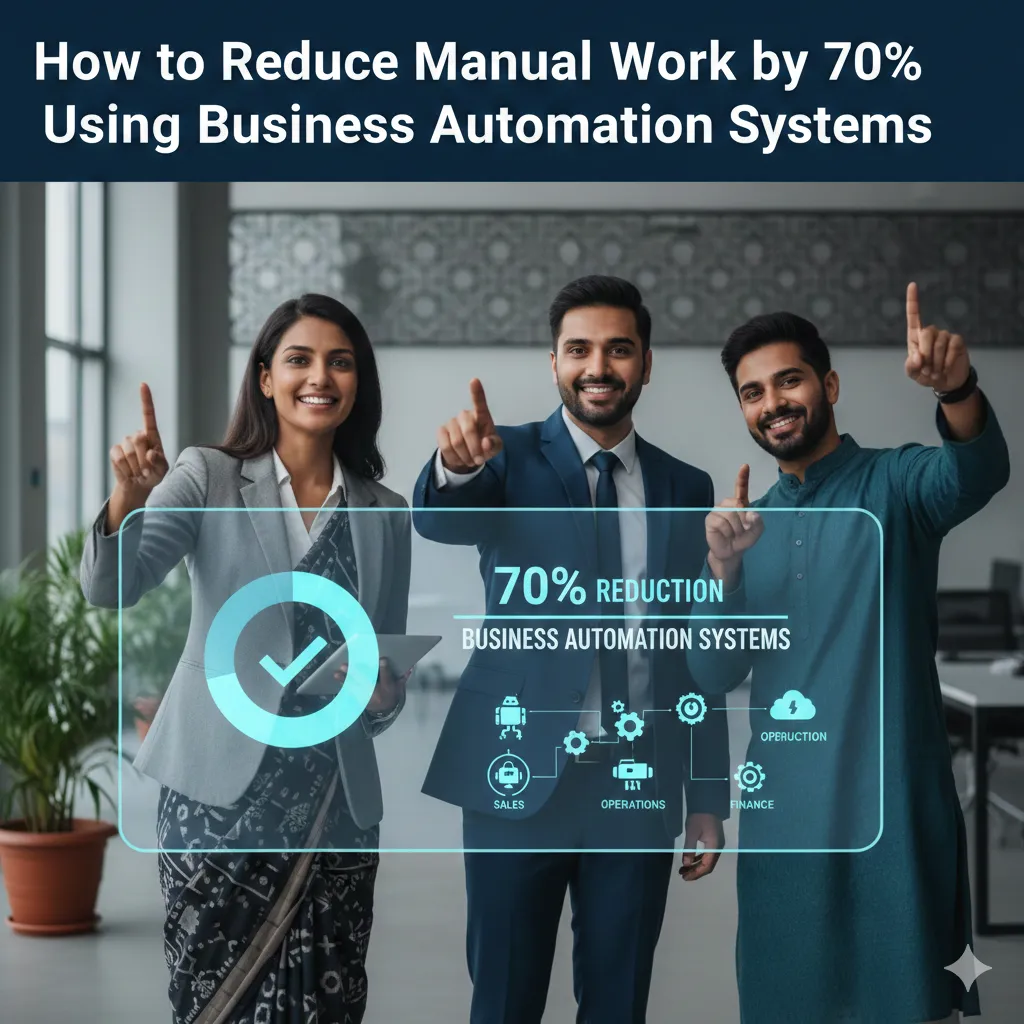
How to Reduce Manual Work by 70% Using Business Automation Systems
by: AutostreamPublished on: 02/03/2026If your team is stuck updating spreadsheets, sending follow-ups, tracking leads manually, or repeating the same tasks every day — you don’t have a workload problem. You have a system problem. Manual processes quietly drain productivity, slow growth, and increase errors. The solution isn’t hiring more people. It’s building smarter systems. Here’s how businesses reduce manual work by up to 70% using automation.