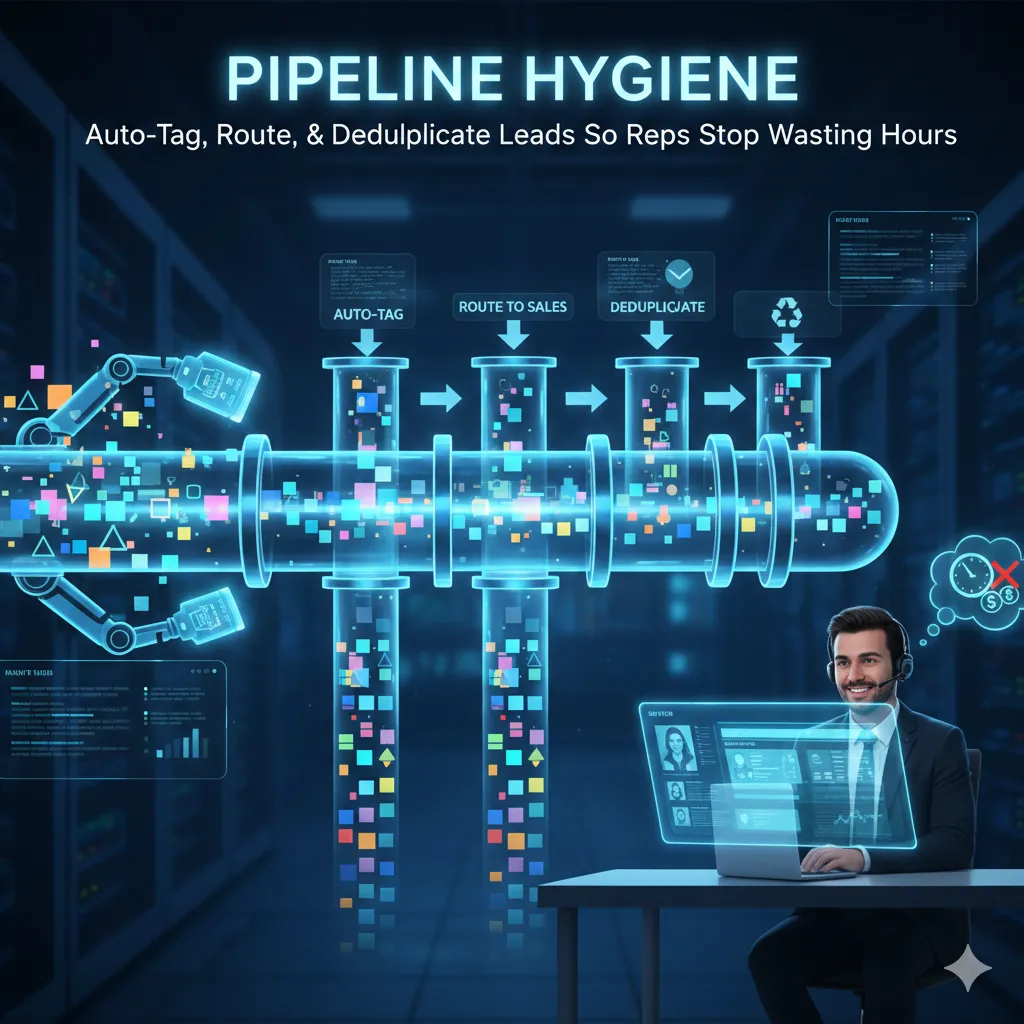
Pipeline Hygiene: How to Auto-Tag, Route, and Deduplicate Leads So Reps Stop Wasting Hours
 by: AutostreamPublished on: 09/02/2026
Most sales teams don’t have a “performance problem.” They have a dirty pipeline problem. When leads land in the wrong place, get worked twice, or sit unassigned for hours, your reps burn time doing admin instead of selling. Pipeline hygiene is the unsexy system that quietly determines your close rate, speed-to-lead, and forecasting accuracy. This guide breaks down a practical way to automate tagging, routing, and deduplication so your pipeline stays clean without someone babysitting it every day.
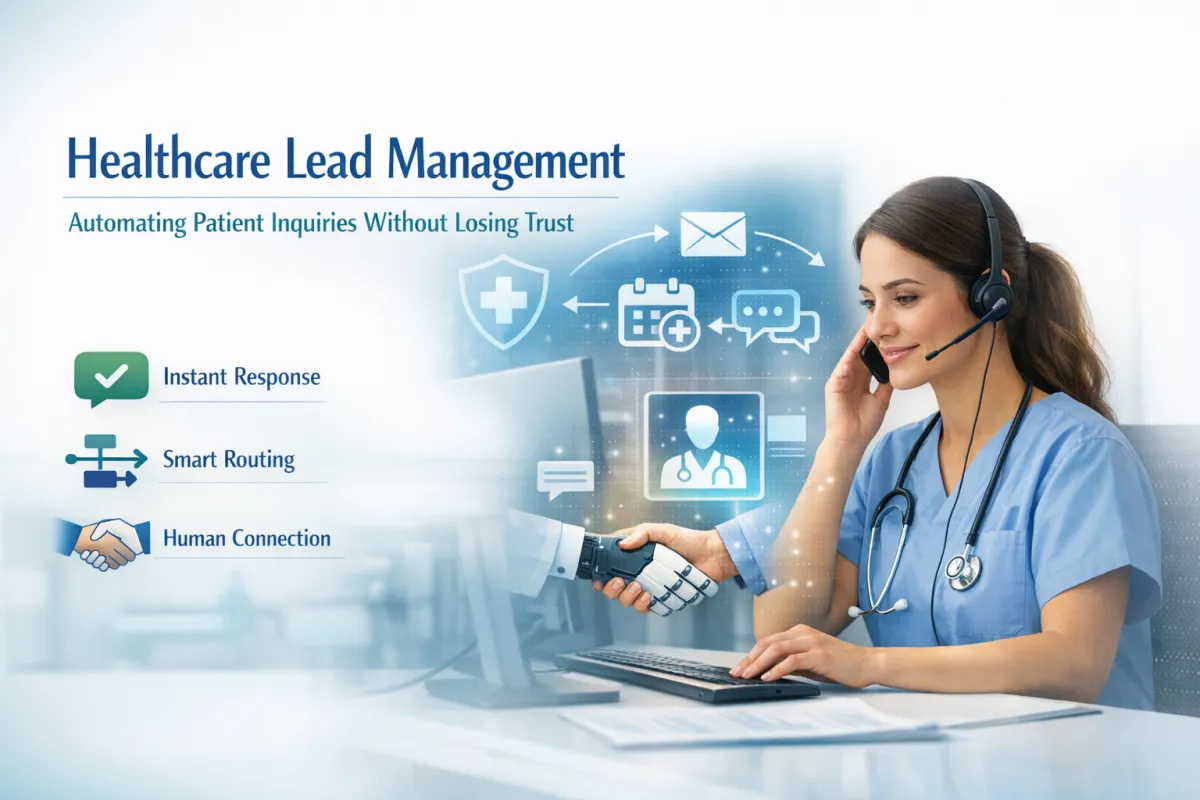
Healthcare Lead Management: Automating Patient Inquiries Without Losing Trust
by: AutostreamPublished on: 30/01/2026In healthcare, speed matters — but trust matters more. Patients don’t behave like typical leads. They’re anxious, emotional, and often making time-sensitive decisions. That’s why most healthcare organizations hesitate to automate patient inquiries. The fear is simple: automation feels cold, and healthcare must feel human. The truth? Bad automation loses trust. Smart automation protects it.
AI Agents vs. Chatbots: Why “Doing” Is the New “Talking” in 2026
by: AutostreamPublished on: 26/01/2026Let’s get something straight: Chatbots are yesterday’s solution to yesterday’s problems. They talk. They don’t do. And in 2026, that difference is everything. We’re moving from conversational AI to operational AI — from tools that answer questions to systems that execute outcomes. If your “AI strategy” still starts and ends with a chatbot widget, you’re already behind.

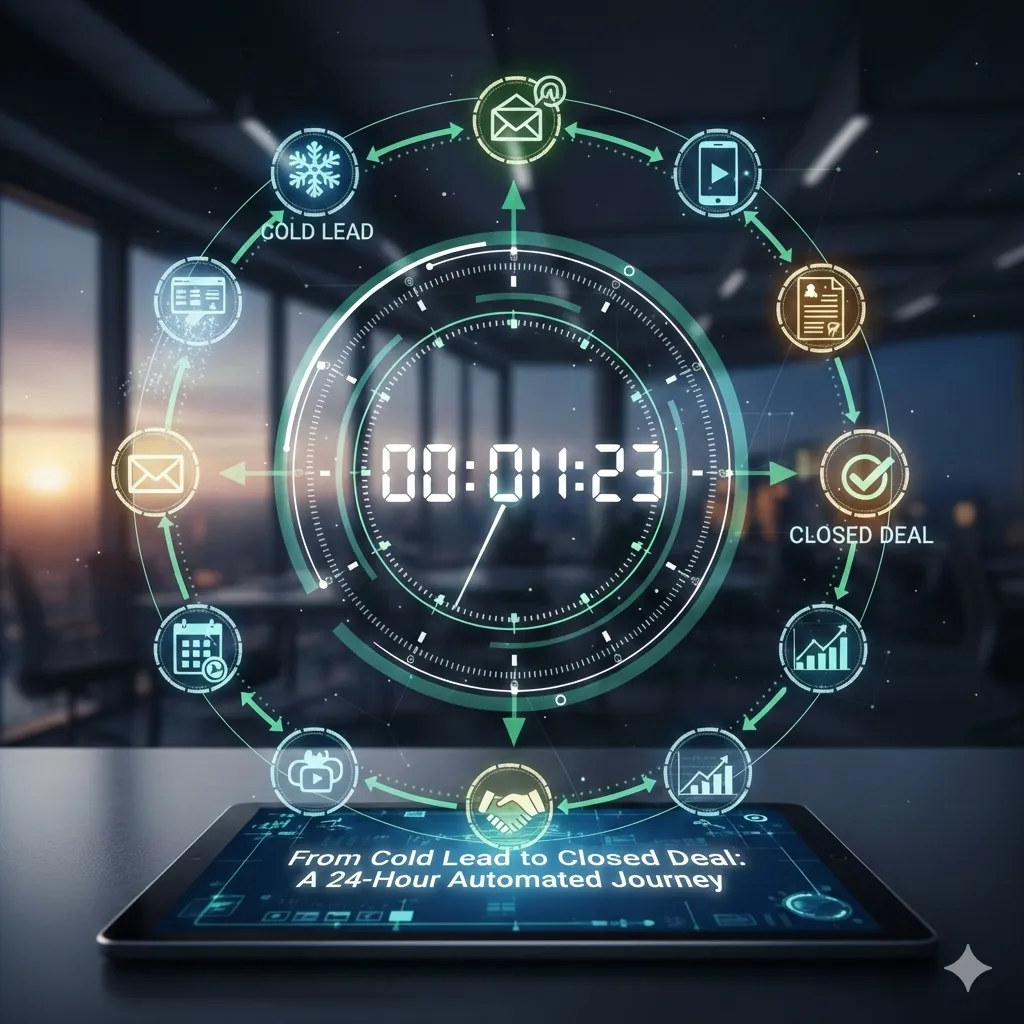
From Cold Lead to Closed Deal: A 24-Hour Automated Journey
by: AutostreamPublished on: 23/01/2026Let’s kill a fantasy right away: nobody is nurturing your leads manually anymore. If your sales process still depends on “following up when we have time,” you’re not losing leads — you’re donating them to competitors. Modern growth isn’t about working harder. It’s about compressing time-to-decision. This is how a properly built system turns a cold lead into a customer in 24 hours or less — automatically.