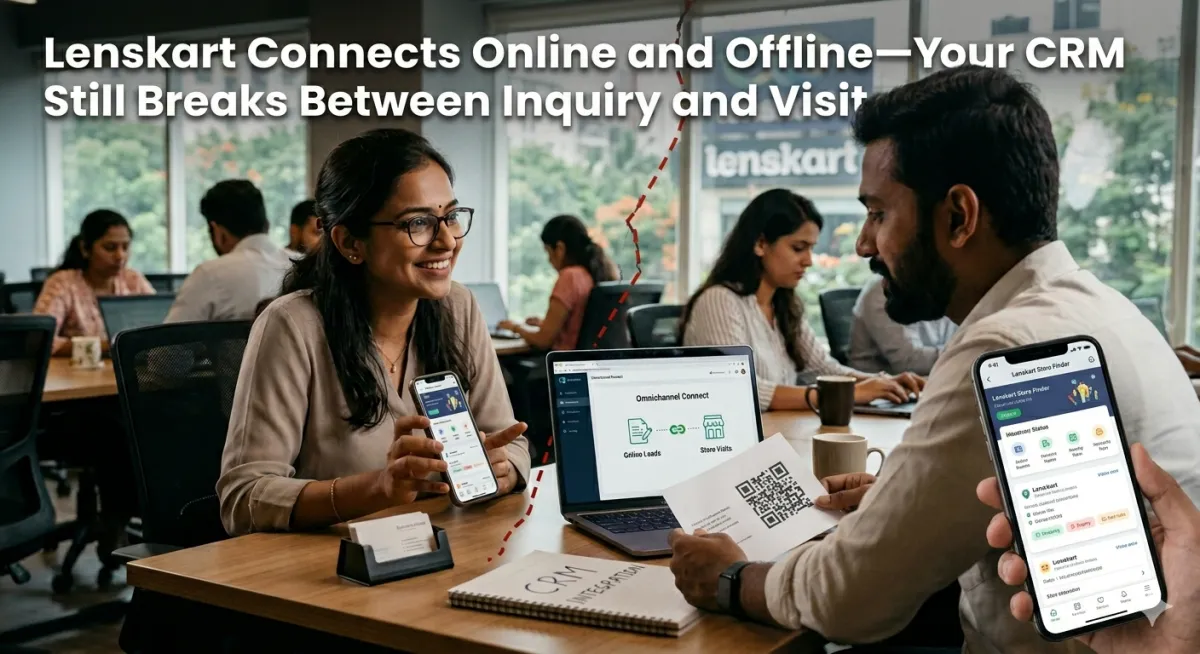
Lenskart Connects Online and Offline—Your CRM Still Breaks Between Inquiry and Visit
 by: AutostreamPublished on: 01/06/2026
Lenskart did not grow only by selling eyewear online. It built a journey where customers can discover frames online, try products virtually, book eye tests, visit nearby stores, or even get an eye test at home. Lenskart offers online eyewear shoppin
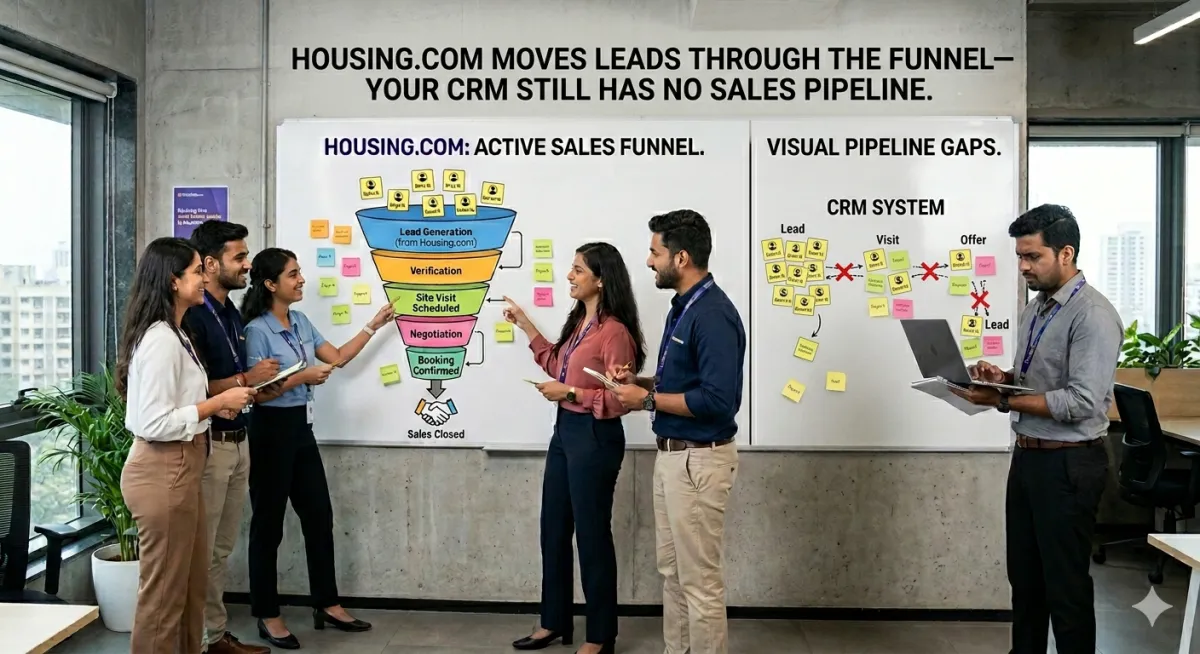
Housing.com Moves Leads Through the Funnel—Your CRM Still Has No Sales Pipeline
by: AutostreamPublished on: 30/05/2026Real estate is no longer just about getting inquiries. Today, platforms like Housing.com help buyers explore properties, compare locations, check price trends, and connect with sellers through a structured property search journey. Housing.com lists
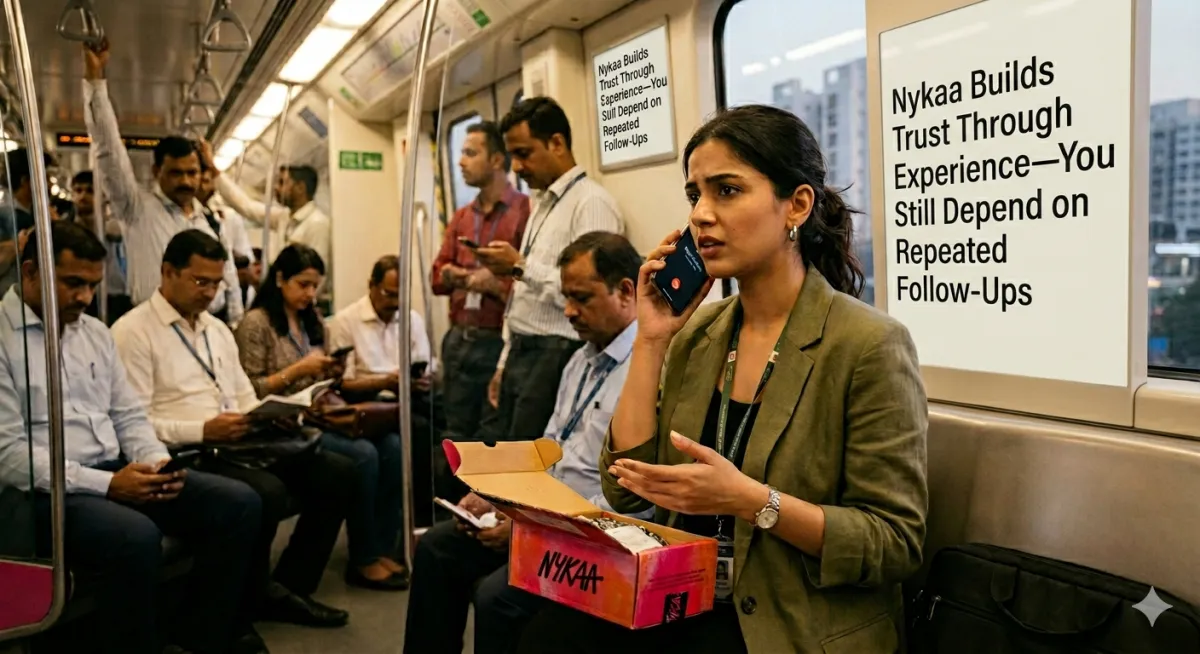
Nykaa Builds Trust Through Experience—You Still Depend on Repeated Follow-Ups
by: AutostreamPublished on: 25/05/2026Nykaa did not grow only because it sold beauty products. It grew because the customer experience felt smooth, guided, and trustworthy. From product discovery to reviews, reminders, recommendations, offers, and delivery updates — everything feels co
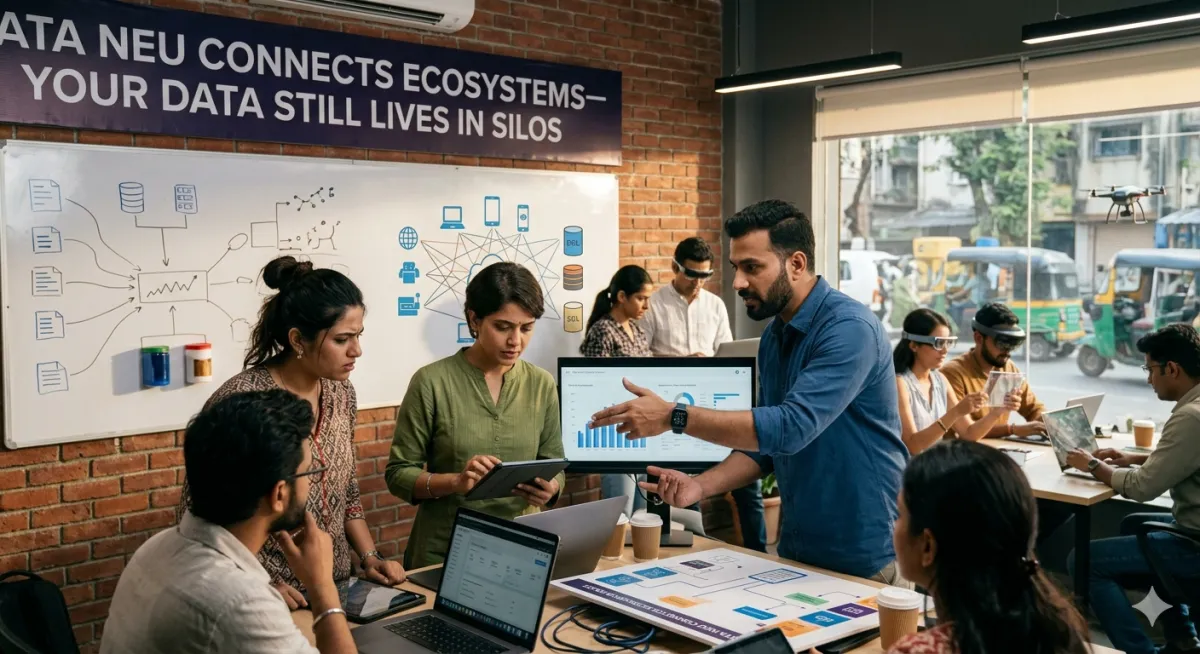
Tata Neu Connects Ecosystems—Your Data Still Lives in Silos
by: AutostreamPublished on: 22/05/2026Tata Neu is not just an app. It is an ecosystem. From shopping to travel, food, payments, rewards, and daily services, Tata Neu brings multiple customer touchpoints into one connected experience. The customer does not feel like they are moving betwe