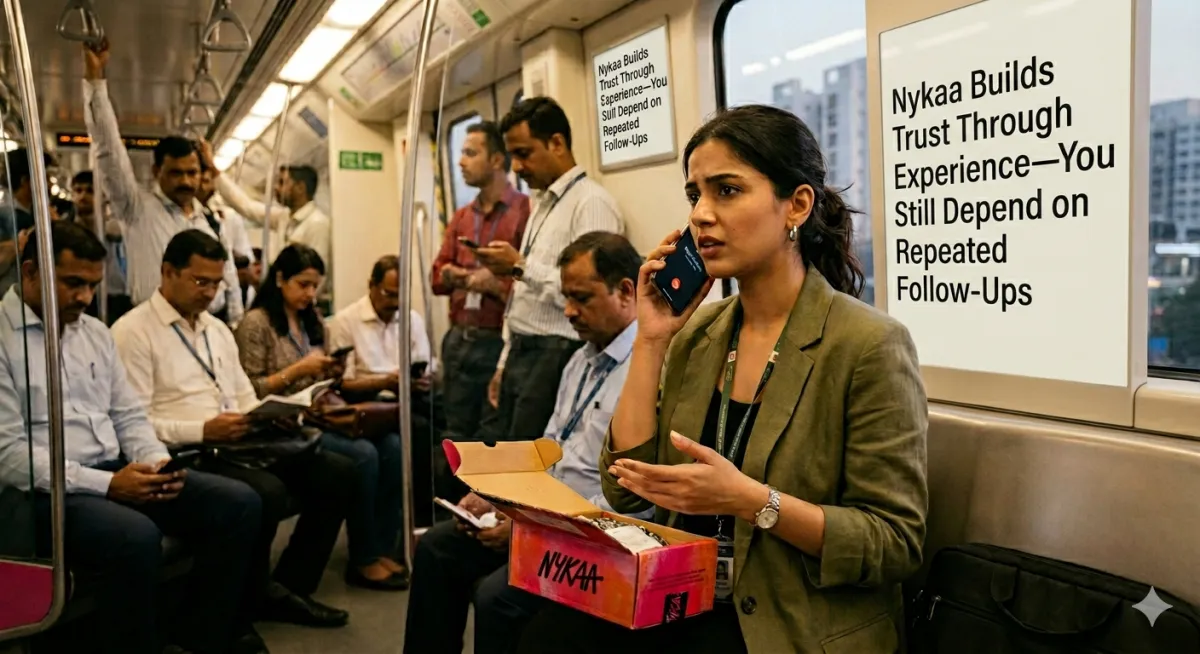
Nykaa Builds Trust Through Experience—You Still Depend on Repeated Follow-Ups
 by: AutostreamPublished on: 25/05/2026
Nykaa did not grow only because it sold beauty products. It grew because the customer experience felt smooth, guided, and trustworthy. From product discovery to reviews, reminders, recommendations, offers, and delivery updates — everything feels co
Spotify Personalizes Everything—You’re Still Sending Generic Follow-Ups
by: AutostreamPublished on: 08/05/2026Today’s customers expect personalization everywhere. Spotify knows what song they might like next.

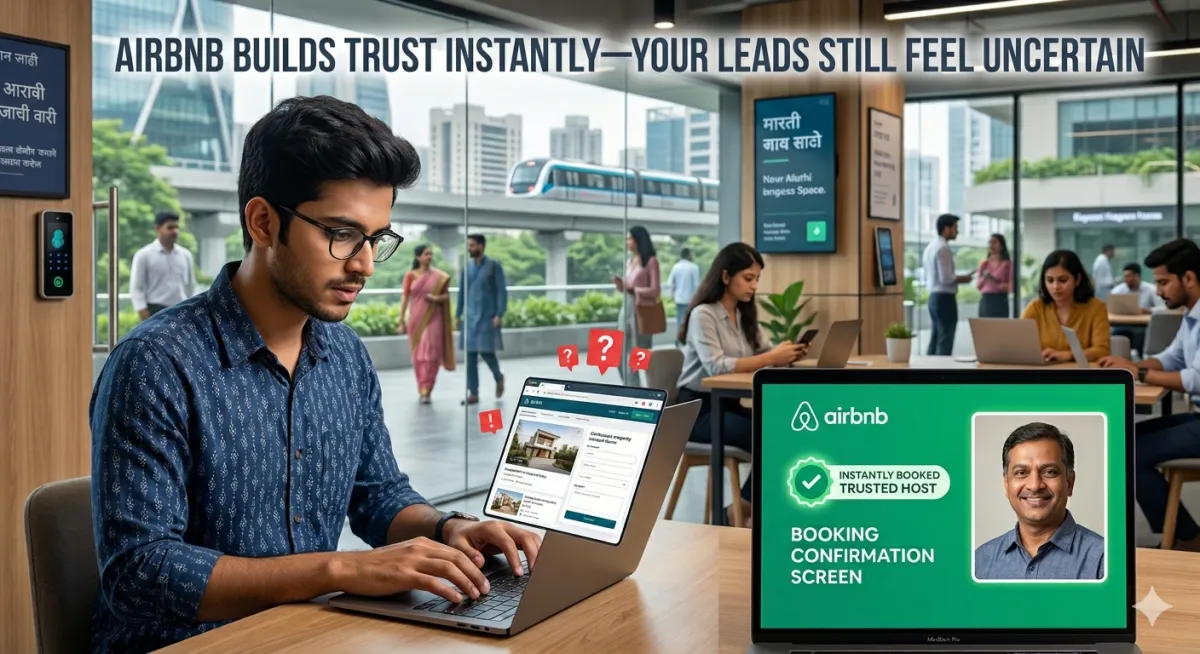
Airbnb Builds Trust Instantly—Your Leads Still Feel Uncertain
by: AutostreamPublished on: 06/05/2026People don’t book homes on Airbnb because they like risk. They book because trust is already handled before they even think about it. Now look at your sales process. A lead comes in… And the first thing they feel isn’t clarity—it’s uncertainty. That’s the gap.
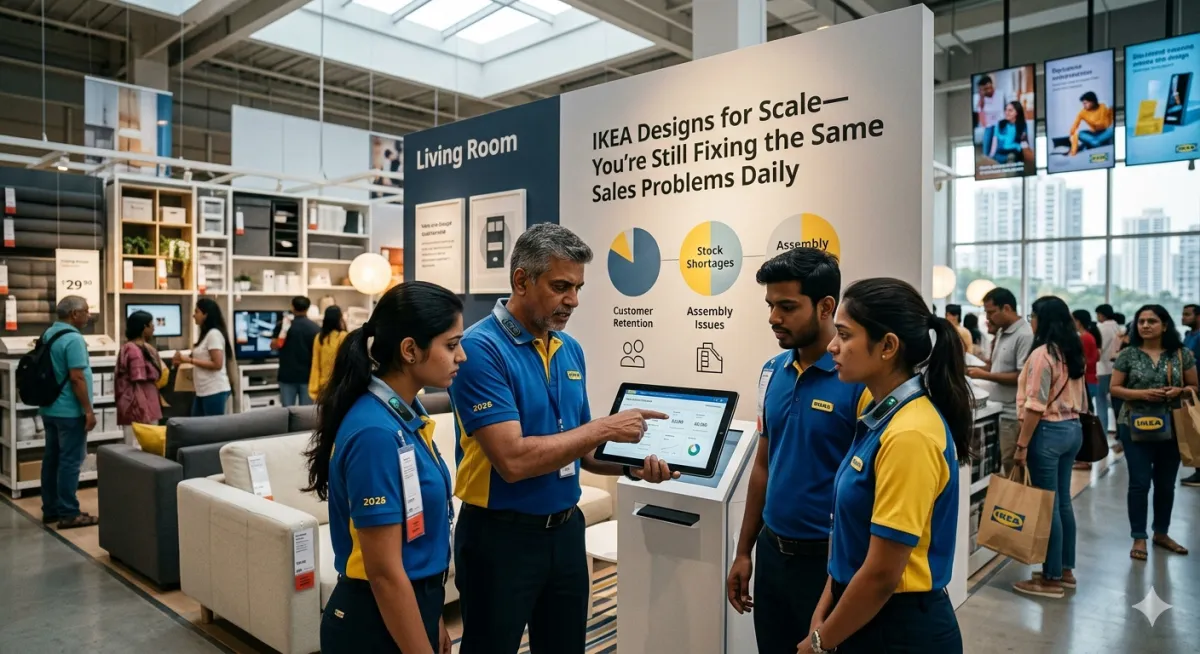
IKEA Designs for Scale—You’re Still Fixing the Same Sales Problems Daily
by: AutostreamPublished on: 01/05/2026There’s a reason IKEA can serve millions of customers across countries without breaking its experience. And there’s a reason your sales team is still stuck solving the same problems every day. It’s not effort. It’s not talent. It’s design.